

MANIFESTO
Helping young people grow without losing their roots.

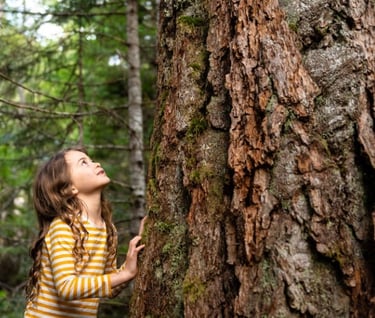
The world is changing faster than our bearings.
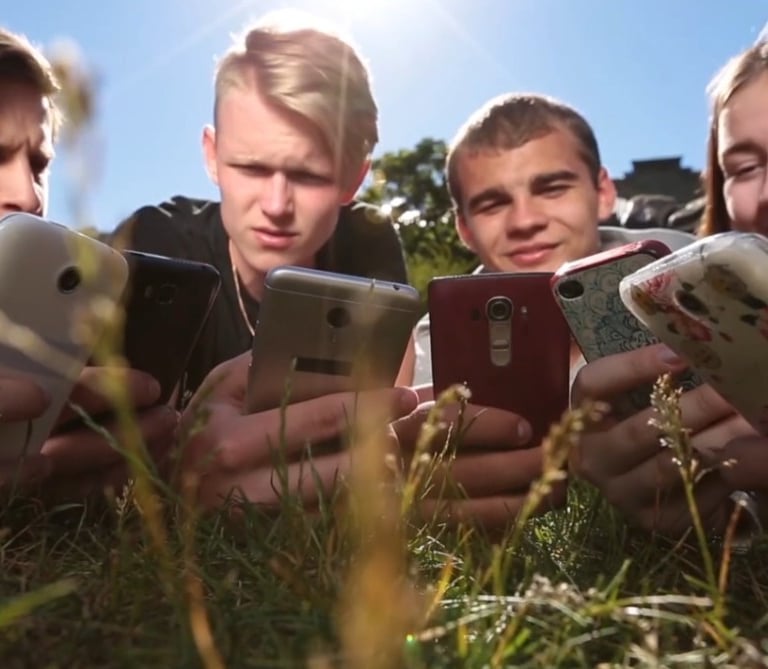
Our children learn to navigate screens before they learn to focus on a single idea.
Knowledge has never been so accessible — and yet young people have never found it so difficult to learn, stay motivated, or believe in themselves.
We live in a world of abundance and distraction.
The human brain, however, hasn’t changed: it remains slow, sensitive, emotional, and deeply social. This mismatch creates stress, fatigue, and a loss of meaning.
Parents are trying to keep up. Schools are doing their best. But no one ever taught us how to raise children in a world that never stops changing.
The new challenges facing families.
Today’s families are connected, yet often disconnected from what really matters.
Homework time turns into negotiation, conversations run dry, motivation fades.
“I don’t recognise him anymore.”
“We’ve tried everything.”
“She doesn’t want to do anything anymore.”
I’ve heard these words so many times.
And I’ve seen that look change when a child or teen begins to understand how their brain works, and when a parent discovers a different way to communicate.
Behind every child who disengages, there isn’t a lack of willpower — there’s something they don’t yet understand.


Understanding to transform
Cognitive neuroscience reminds us of one simple thing:
The brain learns best when it finds meaning, enjoyment and a sense of safety.
Motivation grows from clarity, curiosity and a sense of progress.
Attention is a fragile resource: it needs to be nurtured, not forced.
A vision :
Endemic Coaching™
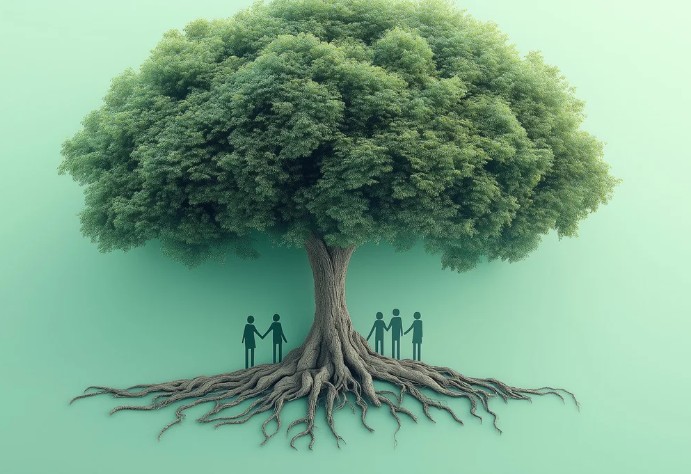
It was while living in Corsica that I came to understand something simple: nothing grows without roots.
Here, nature, culture and human connection have taught me that growth cannot be forced — it is nurtured, like a living cycle.
From this conviction came Endemic Coaching™: an approach that brings together science, culture and the human dimension to help each person grow from who they already are.
To be endemic is to learn to thrive where you are, drawing on your environment, your strengths and your experiences.
It means drawing inspiration from others without losing yourself — learning from role models, mentors and cultures while forging your own path.


IMPACT
Creating lasting change.
Every journey leaves a tangible, measurable and human mark.






IDENTITY
Honouring who each person is.
Helping young people and families regain confidence and a sense of grounding.
RESPONSABILITY
Learning to choose and act
Building autonomy and awareness throughout the journey.
INNOVATION
Bringing science and humanity together
Integrating neuroscience and behavioural insights in service of human growth.
Our guiding principles, our values
Our mission :
Reveal, Reconnect, Empower
We help young people reconnect with themselves, their strengths and their dreams.
We help parents rediscover their role as guides, not guardians.
We help families rebuild connection and trust..
✨ Our ambition: a generation able to learn, adapt and succeed without losing themselves.


The voices that shape my vision
These women and men have shaped the way I think, guide and share.
Their work, at the intersection of science and the human experience, continues to inform my practice every day.
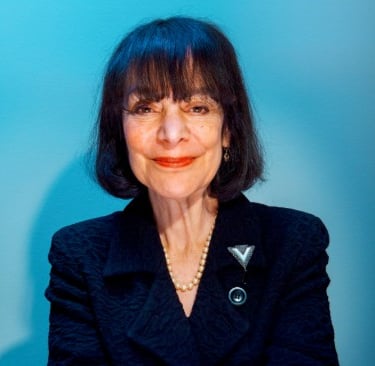
Carol DWECK
Psychologist and professor


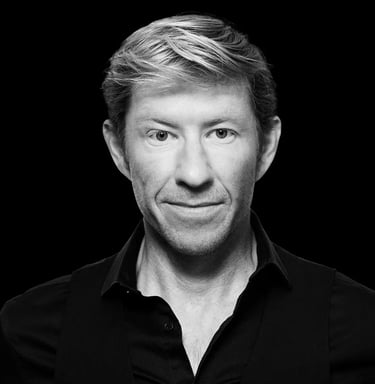
Carol Dweck is a world-renowned psychologist and researcher whose work has transformed our understanding of achievement and learning. She introduced the concept of the growth mindset — the idea that our abilities are not fixed, but can develop through effort, perseverance and strategy.
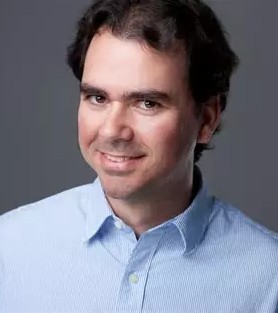
Phil Stutz is an American psychiatrist known for his direct, practical approach to personal change. Together with his colleague Barry Michels, he developed The Tools, a method designed to turn fear, procrastination and inner blocks into energy for action and growth.
His approach is about keeping people moving forward. It is no longer about waiting to “feel better” before taking action, but about taking action to create something better.
Phil STUTZ
Psychiatrist
Stanislas DEHAENE
Neuroscientist
Dr Matthew WALKER
Sleep Scientist
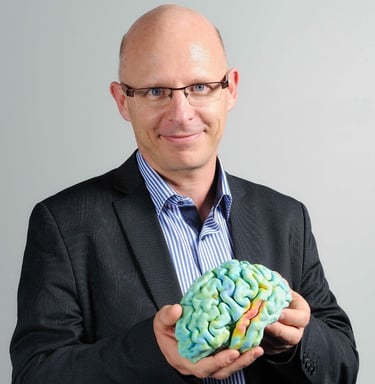
Stanislas Dehaene is one of France’s leading researchers in cognitive neuroscience. His work explores how the brain learns, reads, calculates and changes through experience.
By bringing together scientific research and education, he has helped bridge the gap between neuroscience and the world of learning, notably through his accessible books and his commitment to an education grounded in an understanding of how the brain works.
Matthew Walker is a world-renowned researcher whose work focuses on sleep, memory and emotional regulation. Author of the bestselling Why We Sleep, he highlights the vital role sleep plays in learning, mental health and creativity.
His approach connects neuroscience, well-being and performance, emphasising that rest is not a luxury, but a biological foundation for cognitive and emotional growth.
Céline ALVAREZ
Researcher Education
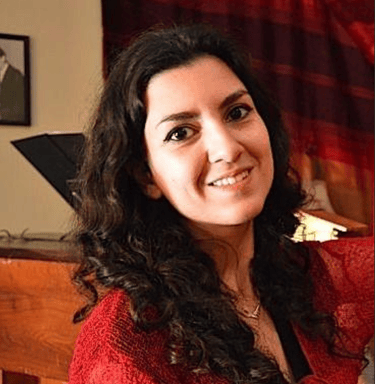


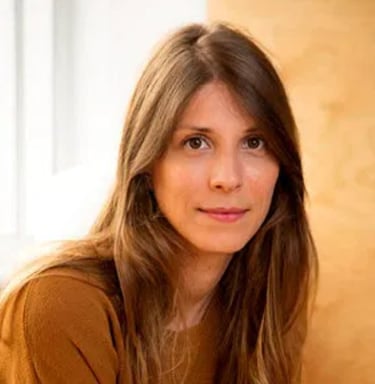
French author and speaker Céline Alvarez has had a profound influence on contemporary education. Her work shows that learning thrives when children’s fundamental needs — attention, autonomy, emotion and meaning — are respected.
She advocates an approach to education grounded in neuroscientific research while fostering freedom, cooperation and the joy of learning.
Her work is built around a central belief: words have the power to reveal people’s potential and create new narratives for the world.
She is the author of Trouve le verbe de ta vie, a book that invites readers to identify the key verb that shapes their drive in life — their way of being in the world, taking action and connecting with others.
Her approach is both literary and deeply human.